Understanding how to measure blood sugar levels is important for managing diabetes effectively. Healthcare providers use specific indicators to check overall diabetic control. Different tests offer various insights, with some showing short-term changes and others indicating long-term control.
People with diabetes must maintain steady blood sugar levels, as both high and low levels can cause serious health problems. Doctors use tests such as fasting blood sugar and post-meal readings at certain times. The Hemoglobin A1c test is a key indicator of overall diabetes control, measuring glucose in red blood cells over about three months. A level of 7% suggests high blood sugar, while below 6.5% indicates better control. Regular A1c tests are recommended for effective management. Continuous glucose monitoring provides additional insights, but A1c remains the most reliable marker for long-term control. Maintaining steady blood sugar levels is essential to avoid health complications.
This article with Tailored MD aims to clarify which indicators show the best picture of overall diabetic control and how to use it effectively.
Understanding Diabetes Monitoring: An Overview
Monitoring is crucial for managing diabetes as it keeps blood sugar levels in check and helps avoid complications. Regular checks inform healthcare providers about necessary treatment adjustments. Over 422 million people have diabetes, and many find it hard to maintain target blood sugar levels, risking long-term damage.
Type 1 diabetes needs frequent monitoring since the body cannot produce insulin, while Type 2 diabetes requires regular oversight but less frequent testing. Both types aim for reliable markers to ensure control and prevent issues.
The Best Indicators of Overall Diabetic Control
1. Hemoglobin A1c (HbA1c)
Hemoglobin A1c (HbA1c) is the most reliable measure of long-term blood sugar control for people with diabetes. It shows average glucose levels over the last two to three months by indicating how much glucose has attached to hemoglobin in red blood cells. Since red blood cells live about 120 days, HbA1c gives a clear view of blood sugar patterns, essential for diabetes management.
It combines multiple blood sugar readings, helping to identify trends that daily checks might miss. Regular HbA1c testing every three to six months helps monitor progress and guide treatment decisions. A decrease in HbA1c indicates effective lifestyle changes, while an increase signals a need for adjustments.
2. Blood Glucose Levels (Fasting and Postprandial)
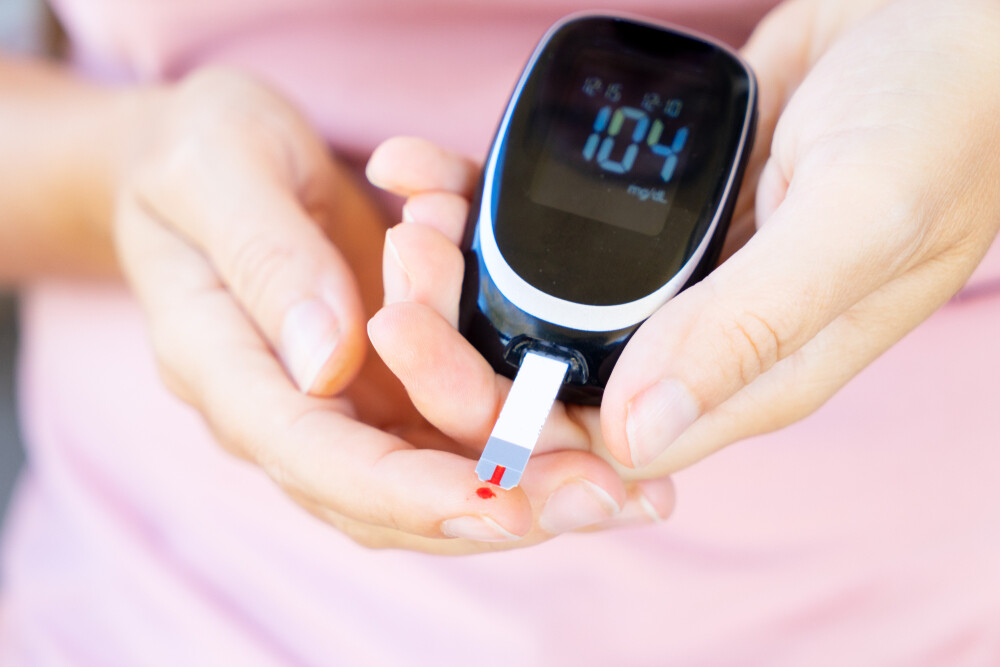
Blood glucose levels are key indicators of overall diabetic control, with fasting and postprandial tests guiding treatment plans and indicating sugar control.
Fasting blood glucose is taken after not eating for at least eight hours, and postprandial blood glucose is measured about two hours after a meal. Fasting glucose shows how the body controls sugar at rest, while postprandial glucose indicates how well it manages sugar from food.
Regular testing is essential to recognize patterns affecting blood sugar, supporting overall health and preventing complications.
3. Continuous Glucose Monitoring (CGM)
Continuous Glucose Monitoring (CGM) is an important indicator of overall diabetic control, measuring glucose levels under the skin constantly. It helps track blood sugar changes during various activities and works alongside HbA1c and fasting blood sugar levels.
CGM reveals daily patterns that traditional tests may overlook, allowing for better treatment decisions. It provides continuous alerts for high or low levels, making it valuable for those with unstable blood sugar. Studies suggest CGM improves blood sugar control and reduces complications, making it crucial for diabetes management. Many experts prefer CGM for its detailed insights into blood sugar trends.
4. Fructosamine and Glycated Proteins
Fructosamine and glycated proteins help manage diabetes by reflecting blood sugar control over several weeks, while combining fasting blood sugar, A1c, and fructosamine provides a comprehensive management view.
5. Lipid Profile
High levels of certain fats in your blood can raise the risk of heart disease, especially with diabetes. A lipid profile measures fats such as cholesterol and triglycerides to check heart health. Managing fat levels is vital for preventing heart issues.
Diabetes management includes fasting blood glucose, HbA1c, and sometimes continuous glucose monitoring. The HbA1c test shows average blood sugar over two to three months, with high levels indicating poor management. Regular testing helps in adjusting treatment, as diabetes can lead to dyslipidemia.
6. Blood Pressure
Blood pressure is key in managing diabetes and influences overall health. High blood pressure can lead to severe issues such as heart disease and stroke. Regular monitoring can identify problems early for timely treatment. Consistent readings above 140/90 mm Hg may require lifestyle or medication changes. Managing blood pressure is vital for protecting health and improving life quality in diabetics.
Additional Indicators and Lifestyle Factors
Beyond numbers, when considering which is the best indicator of overall diabetic control, your weight and habits matter a lot.
- Body Mass Index (BMI) and Waist Circumference: Obesity makes controlling blood sugar harder. Losing even a small amount of weight improves your numbers. Focus on healthy eating and regular activity.
- Physical Activity and Dietary Habits: Move more—walking, cycling, or swimming. Cut back on sugary foods and processed snacks. These lifestyle habits powerfully influence your control.
- Regular Medical Check-ups: Visit your healthcare team often. Routine tests beyond blood sugar, such as eye exams and foot checks, catch problems early. Staying proactive helps you stay healthy.
- Personalized Care: Personalized care plans in direct primary care are tailored to each patient’s needs, helping doctors set health goals and adapt treatments to improve chronic disease management.
Patient education and empowerment are essential for diabetes management, improving health by helping patients understand their condition, monitor glucose levels, and make informed lifestyle choices to reduce complications.
Practical Tips for Monitoring Diabetic Control Effectively
- Choose indicators for overall diabetic control based on your needs and lifestyle.
- Check HbA1c every three to six months if your levels are stable.
- Consider a CGM if you have unpredictable swings or want detailed insights.
- Always discuss results with your healthcare provider for tailored strategies.
Choosing the Right Indicator for You
Choosing which is the best indicator of overall diabetic control for you is important for controlling blood sugar levels. Many people ask which test shows their overall control best. The Hemoglobin A1c test is key as it reflects average blood sugar over the past two to three months, but it doesn’t show daily changes. Blood glucose monitoring gives immediate results at specific times, while continuous glucose monitors offer ongoing data and help identify trends.
In direct primary care practices, patient engagement is key. Regular HbA1c tests, combined with daily blood glucose checks or CGM data, give a complete picture. This multi-layer approach helps tailor treatment plans better. Our direct primary care (DPC) model is a great alternative for individuals and families looking for ongoing care. When picking an indicator for overall diabetic control, consider your health goals, your habits, and your healthcare team’s advice. Using various tests together gives a better picture of diabetes management. Regular monitoring and professional support lead to better health. For personalized care, contact us.