If you’ve ever wondered what qualifies as morbid obesity according to BMI, you’re likely trying to understand how doctors measure weight-related health risks and what those numbers mean for your well-being.
Body mass index (BMI) is one of the most widely used screening tools for evaluating whether someone falls within a healthy weight range. While BMI can provide helpful insights, it’s important to remember that it’s only one piece of the overall health puzzle.
This article with Tailored MD aims to explore the fundamentals of BMI, its intended purpose in health assessments, its limitations, and alternative methods for measuring health and body composition. By understanding these aspects, we can better navigate the conversation around health and well-being beyond mere numbers.
What Does BMI Measure?
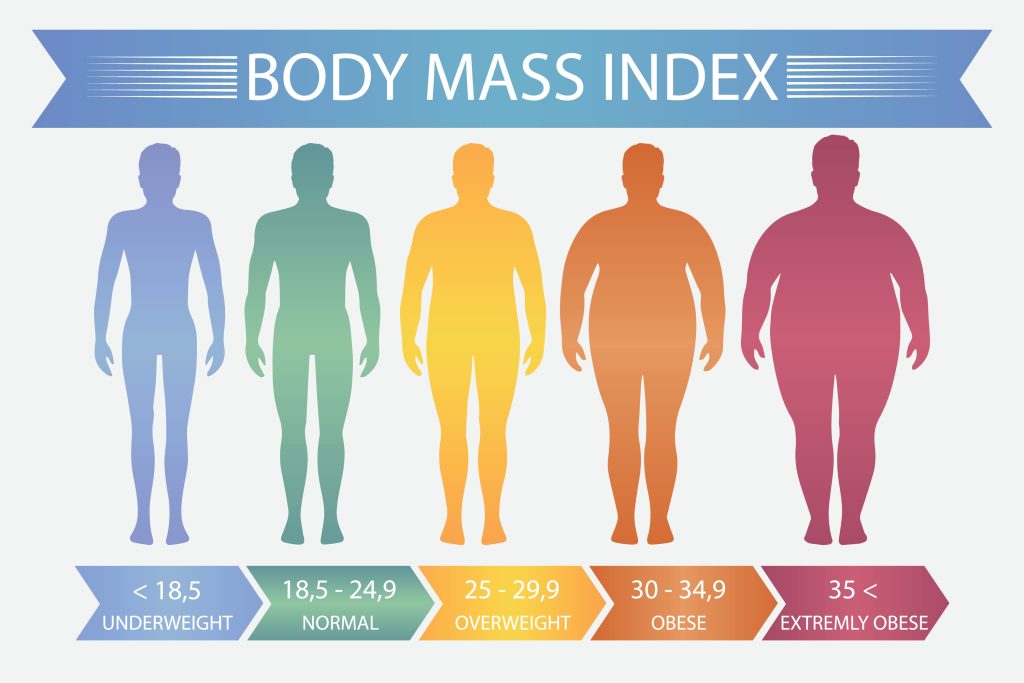
Body mass index (BMI) is a numerical value calculated using a person’s height and weight. The formula estimates body fat levels and helps categorize individuals into weight classifications. BMI is calculated as BMI = weight (kg) ÷ height² (meters). Healthcare providers use BMI as a quick screening tool to identify potential weight-related health risks. The standard BMI categories include the following:
- Underweight: BMI below 18.5
- Normal weight: BMI 18.5–24.9
- Overweight: BMI 25–29.9
- Obesity (Class 1): BMI 30–34.9
- Obesity (Class 2): BMI 35–39.9
- Morbid obesity (Class 3): BMI 40 or higher
What Qualifies as Morbid Obesity According to BMI?
Morbid obesity, sometimes called Class 3 obesity, is normally defined by a BMI of 40 or higher. But in some cases, a BMI of 35 or higher with serious obesity-related health conditions may also fall into this category. These conditions may include the following:
- Type 2 diabetes
- High blood pressure
- Heart disease
- Sleep apnea
- Joint problems
- Fatty liver disease
At this level, excess body weight can significantly increase the risk of chronic health problems and may affect daily mobility and quality of life. However, morbid obesity BMI numbers alone do not determine someone’s overall health.
Why BMI Is Used in Health Care
BMI remains widely used in medical settings because it is…
- Simple to calculate
- Non-invasive
- Cost-effective
- Useful for population-level studies
Doctors often use BMI as an initial screening tool to identify patients who may benefit from further health evaluation. For example, a high BMI may prompt additional testing related to metabolic health, blood pressure, cholesterol, or blood sugar levels. But morbid obesity BMI numbers should never be the only factor used to assess a person’s health status.
Advantages of Using BMI in Health Assessments
- Simple and quick to calculate using height and weight
- Generally indicative of body fat levels
- Easy to include in routine annual health screenings
- Useful for identifying potential health risks related to weight
- Cost-effective without special equipment
- Widely accepted and easy to communicate in clinical and public health settings
The Limitations of BMI
While BMI can be helpful for determining morbid obesity, it does have several important limitations.
- It Doesn’t Measure Body Composition. BMI cannot differentiate muscle from fat; athletes may have high BMI with low body fat, while some with normal BMI may have excess fat and poor metabolic health.
- It Doesn’t Show Fat Distribution. Where fat is stored in the body matters. Abdominal fat (visceral fat) is more strongly associated with health risks than fat stored in other areas. BMI does not measure fat distribution, which means it may not accurately reflect certain health risks.
- It Doesn’t Consider Metabolic Health. Two people with the same BMI can have different levels of metabolic health, influenced by blood sugar, cholesterol, inflammation, and blood pressure levels.
- It Doesn’t Account for Individual Differences. Age, genetics, hormones, and lifestyle all influence weight and health. BMI provides a general guideline, but it cannot capture the complexity of an individual’s health status.
Why a Comprehensive Health Approach Matters
Because BMI has limitations, the best approach to weight management involves a comprehensive evaluation of overall health. A supportive physician may evaluate the following areas:
- Body composition
- Metabolic health markers
- Hormone balance
- Nutritional habits
- Physical activity levels
- Sleep quality
- Stress levels
This broader perspective helps identify the underlying factors contributing to weight gain or metabolic challenges.
The Role of a Supportive Physician in Your Wellness Journey
For individuals classified as overweight, obese, or morbidly obese by BMI standards, working with a supportive and compassionate physician can make a significant difference. Weight management is not simply about willpower; it often involves complex interactions between metabolism, hormones, lifestyle, and environment. A supportive physician can help by…
- Developing personalized wellness plans
- Identifying underlying medical conditions
- Providing realistic and sustainable strategies
- Offering ongoing support and accountability
Most importantly, they approach weight management without judgment, focusing instead on long-term health improvements.
Sustainable Health Changes Matter More Than Quick Fixes
When people focus solely on the BMI definition of morbid obesity, they may be tempted by extreme diets or quick weight-loss programs. However, sustainable health improvements usually come from gradual lifestyle changes, including the following:
- Balanced nutrition
- Regular physical activity
- Stress management
- Improved sleep habits
- Medical guidance when needed
These changes support not only weight loss but also improved metabolic health and energy levels.
Improving Health Beyond the BMI Number
Even modest weight loss — such as 5–10% of body weight — can produce meaningful health benefits. These benefits may include the following:
- Lower blood pressure
- Improved blood sugar control
- Reduced inflammation
- Better joint function
- Improved cardiovascular health
This means progress should be measured not just by BMI, but also by improvements in overall health and well-being.
Emotional and Psychological Support Is Important
Weight challenges can sometimes carry emotional or psychological burdens due to stigma or negative experiences in healthcare settings. A supportive physician creates an environment where patients feel…
- Heard
- Respected
- Encouraged
This kind of partnership makes it easier for patients to stay motivated and committed to their wellness goals.
Conclusion: Balanced View on Using BMI
So, what is morbid obesity according to BMI? Morbid obesity is generally defined as a BMI of 40 or higher, a category associated with increased health risks. However, BMI is only a screening tool — it does not fully capture an individual’s body composition, metabolic health, or overall well-being.
True health assessment requires a broader perspective that includes lifestyle, medical history, metabolic markers, and personal goals. Most importantly, achieving lasting health improvements is much easier with the guidance of a supportive physician who understands your unique health journey. Get in touch with us today to book a consultation and move forward toward a healthier, more confident you.