
Asthma is not always a simple airway problem. Stress, allergies, nutrition, sleep quality, weight changes, environmental exposures, and other inflammatory markers all affect how often symptoms show up and how severe they feel. That is why a more complete approach matters. When we help you address other chronic conditions and reduce overall inflammation, we often support better day to day asthma management as part of a broader primary care plan.

Many people with asthma notice that symptoms worsen during allergy season, after illness, during periods of stress, or when overall health is not at its best. Some also find that fatigue, poor sleep, reflux, or uncontrolled blood sugar make breathing issues feel more difficult to manage. Because of this, an effective care plan should look beyond a rescue inhaler alone.
At Tailored MD, our primary care membership model allows us to spend more time understanding your history, your triggers, and your goals. We talk through what seems to worsen your symptoms and what may be contributing to inflammation in the body. That may include nutrition counseling, help with other chronic conditions, and a closer review of lifestyle patterns that influence asthma control.
Nutrition does not replace medical asthma treatment, but it is an important part of the bigger picture. Some patients benefit from guidance on eating patterns that support healthy weight, steady energy, and lower overall inflammation. Others may need help identifying foods or habits that may be worsening reflux, sinus symptoms, or general wellness concerns that affect breathing comfort.
As part of our primary care membership at Tailored MD, nutrition services are used to support goals that extend beyond asthma alone. When chronic conditions are better managed, the body may experience less overall stress. That makes it easier to stay consistent with treatment and may help reduce the burden of triggers over time.
Asthma triggers vary from person to person, which is why a personalized approach is so helpful. Some triggers are obvious, while others are more subtle and may build up over time. Identifying patterns is often one of the most useful steps in improving control.
Common triggers may include seasonal allergies, dust, pet dander, smoke, respiratory infections, exercise, cold air, strong odors, and emotional stress. Nutrition and inflammation also play a role, especially when other conditions are not well controlled. By looking at the full picture, we help you understand what may be making symptoms harder to manage.


Asthma rarely exists in isolation. Many patients also manage conditions such as high blood pressure, diabetes, obesity, sleep problems, or chronic allergies. When those concerns are addressed together, patients may feel better overall and have fewer barriers to consistent asthma care.
Primary care is a strong setting for this kind of coordinated approach. At Tailored MD, we review your medications, monitor related health concerns, and help you build a plan that supports long term stability. That means fewer surprises, better communication, and care that feels more thoughtful than a quick prescription refill.
If you are looking for asthma management care in San Antonio, our goal is to provide care that is practical, responsive, and centered on your needs. We begin by learning more about your symptoms, your current treatment plan, your other health concerns, and any patterns you have noticed. From there, we work with you to create a plan that makes sense for your life.
Depending on your situation, your care may include medication review, trigger assessment, nutrition support, and help managing other chronic conditions that may affect inflammation. We may also talk about when symptoms need more urgent attention and how to recognize warning signs that should not be ignored. The result is a more complete approach that supports both day to day comfort and long term health.
Tailored MD offers nutrition services as part of our primary care membership, giving patients a more connected way to manage health concerns. This model is especially helpful for people who want more than isolated visits for individual symptoms. Instead of addressing asthma on its own, we consider the many pieces that affect how you feel overall.
This approach is especially valuable for patients who are tired of feeling rushed or unheard. If you have asthma along with other chronic disease concerns, you deserve care that recognizes how those issues interact. Membership-based primary care makes it easier to stay engaged, ask questions, and build a plan that supports meaningful progress over time.
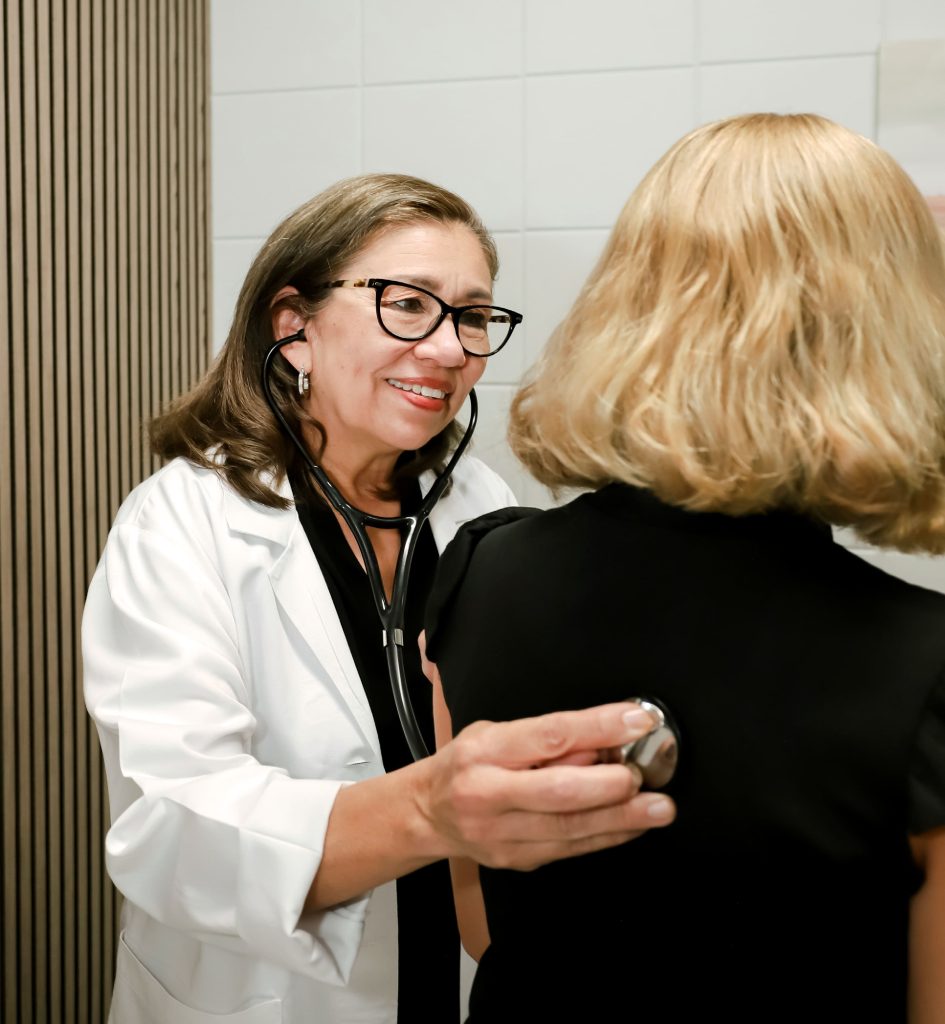

Asthma management at Tailored MD may be a good fit for adults who want a more complete and preventive approach. It is especially helpful if you are trying to better understand recurring symptoms, reduce inflammation, or improve other health conditions that may be affecting your breathing. Patients who appreciate continuity and a strong primary care relationship often find this model useful.
You may benefit from this type of care if you want a provider who takes time to review triggers, explain options, and connect asthma care with broader health goals. Many people also value having nutrition support built into their care plan. That kind of collaboration makes it easier to stay focused on progress instead of reacting to each flare up after it happens.
Coronary artery disease happens when the arteries that supply the heart become narrowed or blocked. This reduces blood flow and raises the risk of chest discomfort, shortness of breath, or more serious cardiac events. Primary care management focuses on lowering risk through blood pressure control, cholesterol management, blood sugar support, and lifestyle counseling.
Long-term high blood pressure can place extra strain on the heart and blood vessels. Over time, this pressure contributes to thickening of the heart muscle and increases the risk of complications. Regular monitoring and consistent management are essential, especially because hypertension often has no obvious symptoms at first.
Heart failure means the heart is not pumping as efficiently as it should. It causes fatigue, swelling, shortness of breath, and reduced ability to exercise comfortably. While heart failure often requires specialty care, primary care plays an important role in medication coordination, symptom tracking, weight monitoring, and overall chronic disease support.
Arrhythmias are abnormal heart rhythms that may feel like palpitations, fluttering, skipped beats, or a rapid heartbeat. Some rhythm issues are benign, while others require closer attention. A primary care clinic can help evaluate symptoms, review contributing factors such as thyroid issues or medication effects, and determine whether referral is appropriate.
Valvular heart disease involves problems with one or more of the heart’s valves, which help keep blood moving in the correct direction. Depending on the severity, it may cause fatigue, murmurs, dizziness, or shortness of breath. Primary care assists with symptom recognition, monitoring, and referral coordination when additional imaging or specialist evaluation is needed.
Some heart disease develops in the setting of diabetes, obesity, high cholesterol, or metabolic syndrome. These conditions often overlap and increase cardiovascular risk together. Because chronic disease management addresses multiple risk factors at once, it is especially effective for patients whose heart health is affected by broader metabolic concerns.
Asthma is a chronic condition that affects the airways and makes breathing difficult. Symptoms may include wheezing, coughing, chest tightness, and shortness of breath. The severity and frequency of symptoms vary widely from person to person.
Common asthma triggers include allergens, exercise, respiratory infections, smoke, cold air, stress, and strong odors. For some people, poor sleep, reflux, or general inflammation may also make symptoms more noticeable. Identifying your personal triggers is an important part of management.
Nutrition does not cure asthma, but it may influence overall inflammation and wellness. A balanced eating pattern supports better energy, healthier weight, and improved management of related conditions. At Tailored MD, nutrition services may help support your broader asthma care plan.
Many people manage asthma well with primary care, especially when their symptoms are mild to moderate or when they also need help managing other health conditions. A primary care clinic coordinates treatment, reviews triggers, and determines when specialty care may be helpful. If needed, we help guide the next steps.
When conditions such as allergies, obesity, diabetes, or sleep problems are better controlled, the body may experience less overall stress. That makes asthma management feel more manageable and may reduce some contributing factors. A whole person approach improves consistency and supports long term health.
Get started by reaching out to Tailored MD to learn more about our primary care membership and asthma management services. We will help you understand your options and discuss whether our approach is a good fit for your goals. If you are looking for thoughtful asthma management care in San Antonio, we are here to help you take the next step.
Get started with asthma management care in San Antonio and discover what it is like to work with a clinic that looks at the whole picture. When your care plan supports the rest of your health, it becomes easier to breathe, manage symptoms, and move toward better overall well being.
New addresses effective November 1st, 2026. Until then, visit the old addresses listed below.

Samuel Lucio, FNP-C, is a Family Nurse Practitioner from San Antonio, Texas. His passion for healthcare began early while helping care for his grandmother, inspiring a lifelong commitment to medicine.
After serving in the United States Army as a medical laboratory specialist in Germany, Sam earned both his Bachelor and Master of Science in Nursing from the University of Texas Health Science Center at San Antonio. He began his nursing career in the Pediatric Intensive Care Unit before becoming a Family Nurse Practitioner.
Sam has experience caring for patients in both inpatient and outpatient settings and is dedicated to providing compassionate, patient-centered care. Outside of work, he enjoys spending time with his family.

Dale Conover is a board-certified Family Nurse Practitioner (FNP-C) with over 9 years of experience in primary care, functional medicine, and integrative wellness. He specializes in chronic disease management, preventive care, hormonal health, and individualized treatment planning, with a strong focus on nutrition and lifestyle optimization.
His clinical background includes intensive care, medical-surgical nursing, and outpatient primary care, giving him a well-rounded foundation in caring for patients across the lifespan. He provides wellness exams, chronic disease management, women’s health services, and preventive screenings for a diverse patient population.
Dale is committed to a patient-centered approach that emphasizes education, prevention, and personalized care to support long-term health and well-being. Outside of work, he enjoys playing tennis, making music, and traveling.

Dr. Andrew Janicki is a board certified Family Medicine physician. He earned his Bachelor of Science Biomedical Engineering from Texas A&M University in Bryan, Texas and his Doctorate of Medicine from The University of Texas Medical Branch in Galveston, Texas. He completed his residency training with the University of Arizona Family Medicine Residency Program in Tucson, Arizona and remained as an assistant professor on their faculty, until he came back to Texas to complete his Integrative and Behavioral Health Fellowship at UTMB. During his fellowship, he became certified in acupuncture by completing a 300-hour course through the University of New England College of Osteopathic Medicine. Dr. Janicki’s interests include Culinary Medicine, Complementary and Integrative Medicine, and Acupuncture all of which he incorporates into his clinical practice with his patients.
Outside of the clinic, he enjoys spending time with his wife and son, rock climbing, playing guitar, traveling and studying languages, and drawing/painting.