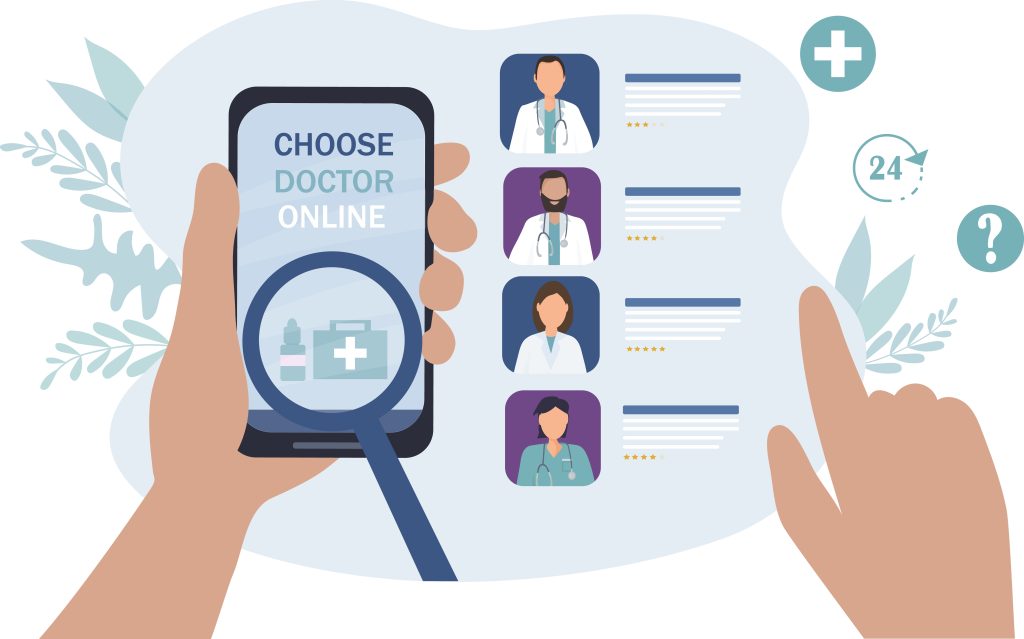
Direct primary care (DPC) is rapidly gaining traction as an alternative model for healthcare delivery, emphasizing a direct relationship between patients and their physicians without the intermediary of insurance companies.
This innovative approach offers patients a membership-based system that often leads to more personalized care, lower costs, and improved access to services. As more individuals and families seek alternatives to traditional healthcare systems, understanding the growth and demographics of DPC is crucial.
This article with Tailored MD tracks estimates of how many people use direct primary care, examining its historical context, current statistics, and the factors contributing to its increasing popularity, while also considering the challenges that lie ahead and the potential future of this transformative model.
What Is Direct Primary Care?
Before we share how many people use direct primary care, it’s important to understand what DPC is. Direct primary care is a healthcare model where patients pay a flat monthly membership fee directly to their provider. This fee typically covers:
- Office visits
- Preventive care
- Basic lab work
- Chronic disease management
- Direct communication with your provider
There are no insurance billing complexities for routine care, which allows providers to focus more on patients and less on administrative tasks.
How Many People Use Direct Primary Care?
So, how many people use direct primary care? While exact numbers vary depending on the source, recent estimates suggest:
- Over 2,000 DPC practices exist across the United States
- More than 500,000 patients are currently enrolled in DPC memberships
- The number of DPC practices has grown significantly over the past decade, with steady year-over-year increases
Some industry reports also indicate that the number of DPC practices has more than doubled in recent years, reflecting strong demand from both patients and providers. Although this represents a small percentage of the total U.S. population, the growth trajectory is one of the most notable in modern health care.
Why Is Direct Primary Care Growing?
The rising interest in DPC helps explain how many people use direct primary care — and why that number keeps increasing.
1. Frustration with Traditional Health Care
Many patients feel that traditional healthcare systems are:
- Rushed
- Impersonal
- Difficult to navigate
- Expensive and unpredictable
DPC offers an alternative that prioritizes time, access, and transparency.
2. More Time with Your Doctor
In a traditional setting, appointments may last only 10–15 minutes. In a DPC model, visits are often:
- Longer
- More in-depth
- Focused on the whole patient
This leads to better communication and more personalized care.
3. Transparent Pricing
One of the biggest advantages of DPC is predictable costs. Instead of surprise bills, patients pay a monthly fee that covers most primary care services.
4. Improved Access
Patients in DPC practices often enjoy:
- Same-day or next-day appointments
- Direct messaging with their provider
- Minimal wait times
This level of access is a major reason more people are making the switch.
5. Physician Satisfaction
It’s not just patients driving how many people use direct primary care. Providers are also seeking alternatives. DPC allows doctors to:
- Reduce administrative burden
- Spend more time with patients
- Practice medicine in a more meaningful way
This has led many physicians to transition into the DPC model.
Who Benefits Most from Direct Primary Care?
Understanding how many people use direct primary care is only part of the picture. It’s equally important to know who benefits most from it.
1. Individuals with Chronic Conditions
Patients managing conditions such as…
- Diabetes
- High blood pressure
- Thyroid disorders
- Autoimmune conditions
… benefit from frequent monitoring and personalized care. DPC makes it easier to stay on top of these conditions with regular access to your provider.
2. People Seeking Preventive Care
DPC emphasizes prevention rather than reactive treatment. This includes:
- Routine screenings
- Lifestyle guidance
- Early detection of health issues
For those who want to stay ahead of potential problems, DPC is an excellent fit.
3. Busy Professionals
For individuals with demanding schedules, convenience matters. DPC offers:
- Flexible scheduling
- Quick communication
- Reduced time spent waiting
This makes it easier to prioritize health without disrupting work or family life.
4. Families
Many families choose DPC for its simplicity and accessibility. Benefits include:
- Easier appointment scheduling
- Consistent care for all family members
- Strong relationships with a trusted provider
5. Small Business Owners
DPC is becoming increasingly popular among small businesses looking to provide healthcare options for employees. It offers:
- Predictable costs
- Affordable access to care
- Reduced reliance on expensive insurance plans
6. Individuals Without Traditional Insurance
For those who are uninsured or underinsured, DPC can provide a reliable and affordable way to access primary care services.
Limitations of Direct Primary Care
While DPC is growing, it’s important to understand its scope. DPC typically does not cover:
- Emergency care
- Hospitalizations
- Specialist visits
- Major surgeries
For this reason, many patients pair DPC with a high-deductible insurance plan or health-sharing program.
The Future of Direct Primary Care
The question of how many people use direct primary care is likely to have a very different answer in the coming years. Trends suggest:
- Continued growth in both practices and patient enrollment
- Increased employer adoption
- Greater awareness among patients
- Expansion into new regions and communities
As health care continues to evolve, DPC is positioned to play a larger role in how care is delivered.
Why More Patients Are Making the Switch
Patients who transition to DPC often report:
- Feeling heard and understood
- Better communication with their provider
- Improved health outcomes
- Less stress around health care
These benefits are driving word-of-mouth growth and increasing interest nationwide.
Is Direct Primary Care Right for You?
If you’re considering DPC, ask yourself:
- Do I want more time with my doctor?
- Do I value predictable healthcare costs?
- Do I want easier access to care?
- Am I looking for a more personalized approach?
If the answer is yes, DPC may be a strong fit for your needs.
Conclusion: A Growing Movement in Health Care
How many people use direct primary care (DPC)? While current estimates indicate that hundreds of thousands of patients have embraced this model, the more significant insight lies in the rapid growth of its adoption.
Direct primary care marks a transformative shift toward more personalized, accessible, and patient-centered health care. As increasing numbers of individuals seek alternatives to traditional healthcare systems, DPC continues to gain momentum.Whether you are managing a chronic condition, pursuing preventive care, or simply seeking a more responsive and satisfying healthcare experience, DPC presents a compelling solution. Contact us today to schedule a consultation and discover how direct primary care can transform your healthcare experience.